Shockwave Therapy
Shockwave Therapy in Hartley Wintney
Helping stubborn tendon pain heal when rest alone isn’t enough
If you’ve been living with persistent tendon pain that keeps returning, or you’ve tried stretching, exercises or rest without lasting improvement, shockwave therapy may help stimulate your body’s natural healing process.
At The Body Reset Clinic, we combine shockwave therapy with expert physiotherapy assessment to identify the underlying cause of your pain, helping you recover with confidence and reduce the risk of it returning.
✓ Plantar fasciitis
✓ Tennis elbow
✓ Achilles tendinopathy
✓ Patellar tendinopathy
✓ Rotator cuff pain
✓ Calcific shoulder pain
Is shockwave therapy right for you?
Many people don’t seek treatment when tendon pain first starts. It might begin as a small ache during a run, soreness after a round of golf, or stiffness when you first get out of bed. You tell yourself it’ll settle down with a bit of rest, stretching or a new pair of trainers.
Weeks or even months later, it’s still there. If that sounds familiar, you’re not alone.
Shockwave therapy is often recommended for people with long standing tendon pain that hasn’t improved with self management or previous treatment. It can be particularly helpful when symptoms continue to affect everyday life, work or the activities you enjoy.
You may benefit if:
- Your pain has lasted for several months.
- It improves slightly but always comes back.
- Stretching or massage only provides temporary relief.
- You’re avoiding running, golf, the gym or long walks because of pain.
- You’ve been told you have a tendon injury such as plantar fasciitis or tennis elbow.
The first step is always a thorough physiotherapy assessment. This helps us understand whether shockwave therapy is appropriate for your condition and whether it should be combined with other treatment.
How does shockwave therapy work?
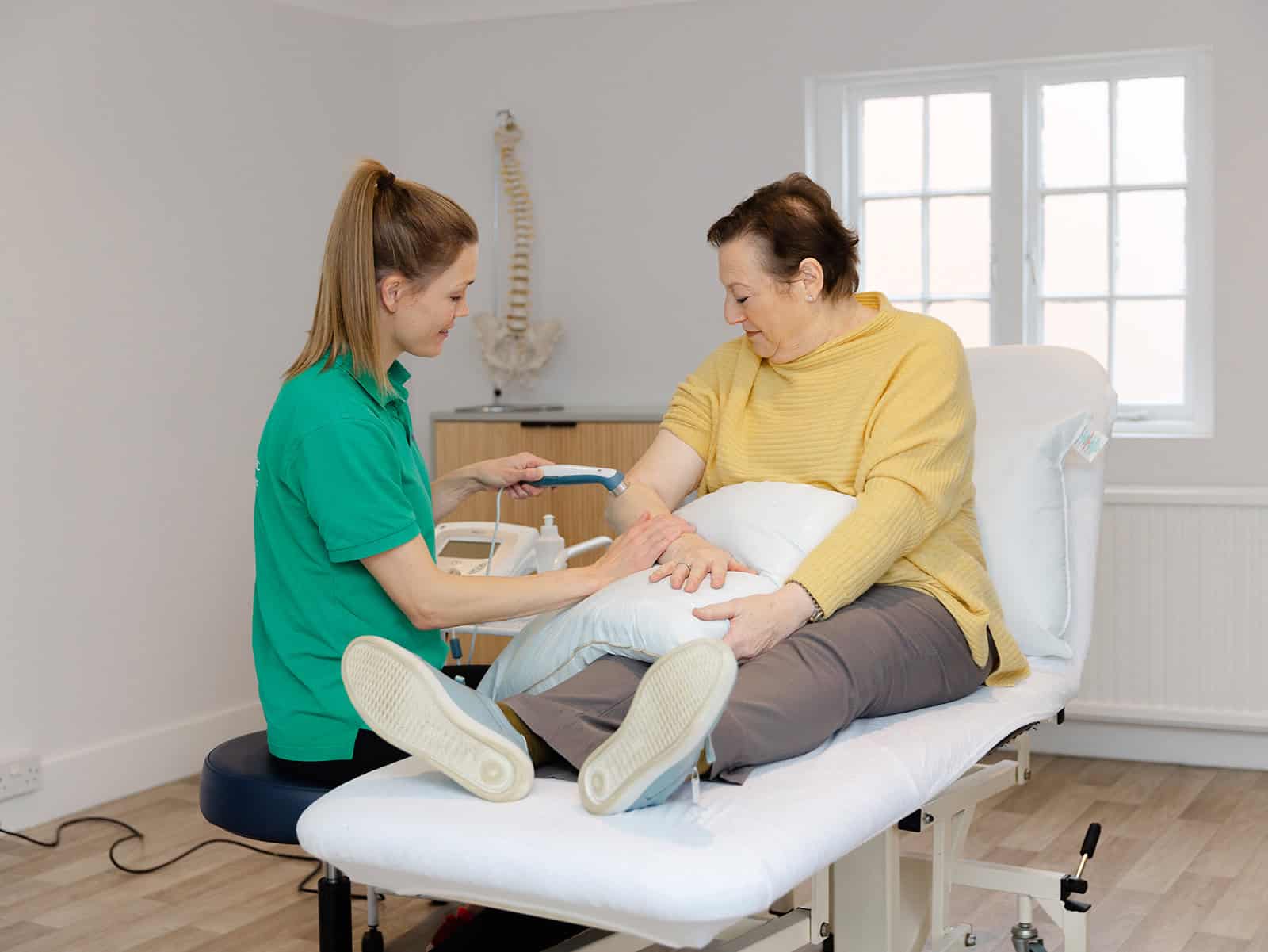
Shockwave therapy uses high energy acoustic waves to stimulate your body’s natural healing response. When tendons become injured, they sometimes struggle to repair themselves fully because they have a limited blood supply. Shockwave therapy helps encourage tissue regeneration, increases local circulation and stimulates cellular activity within the affected area.
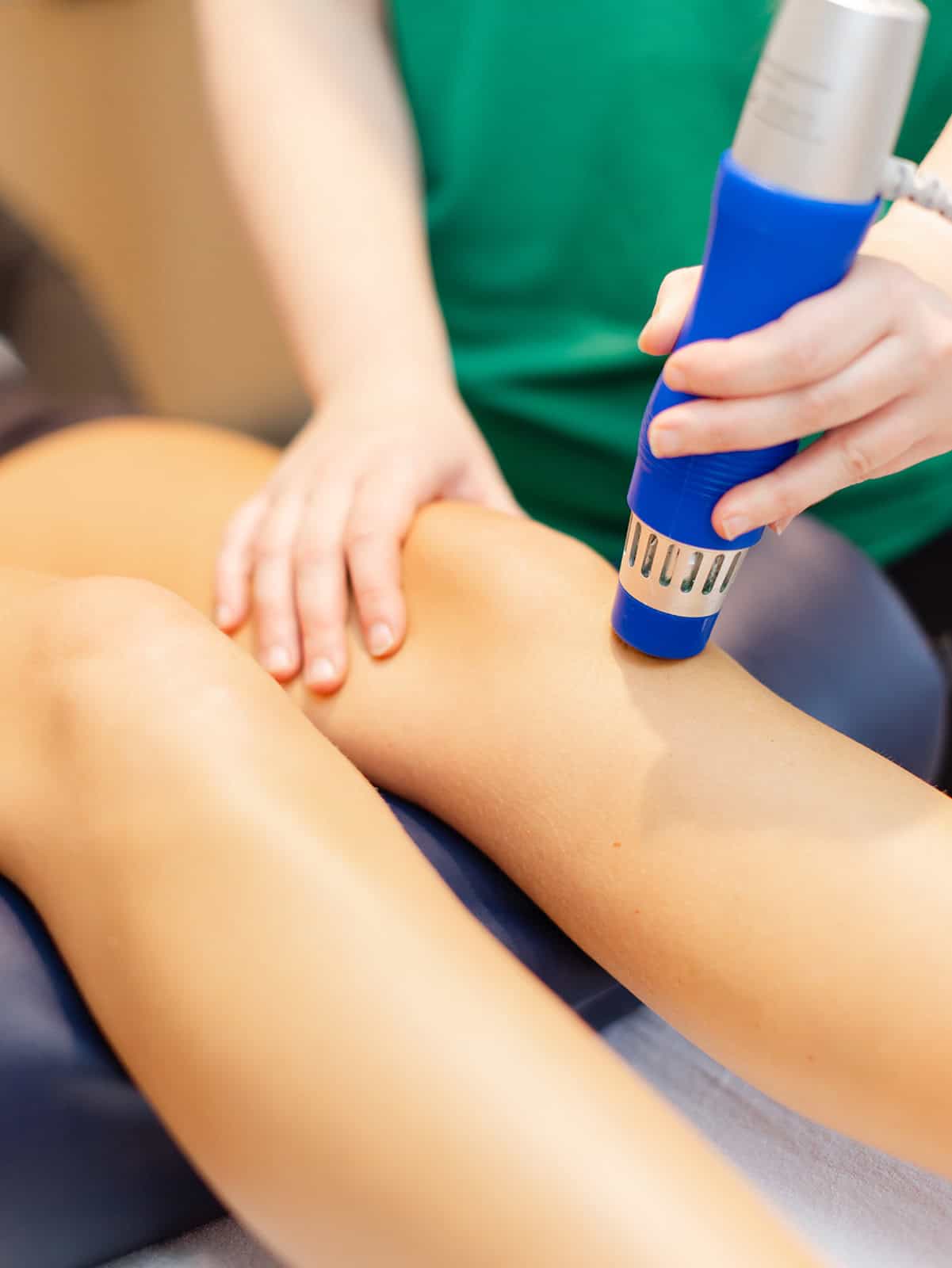
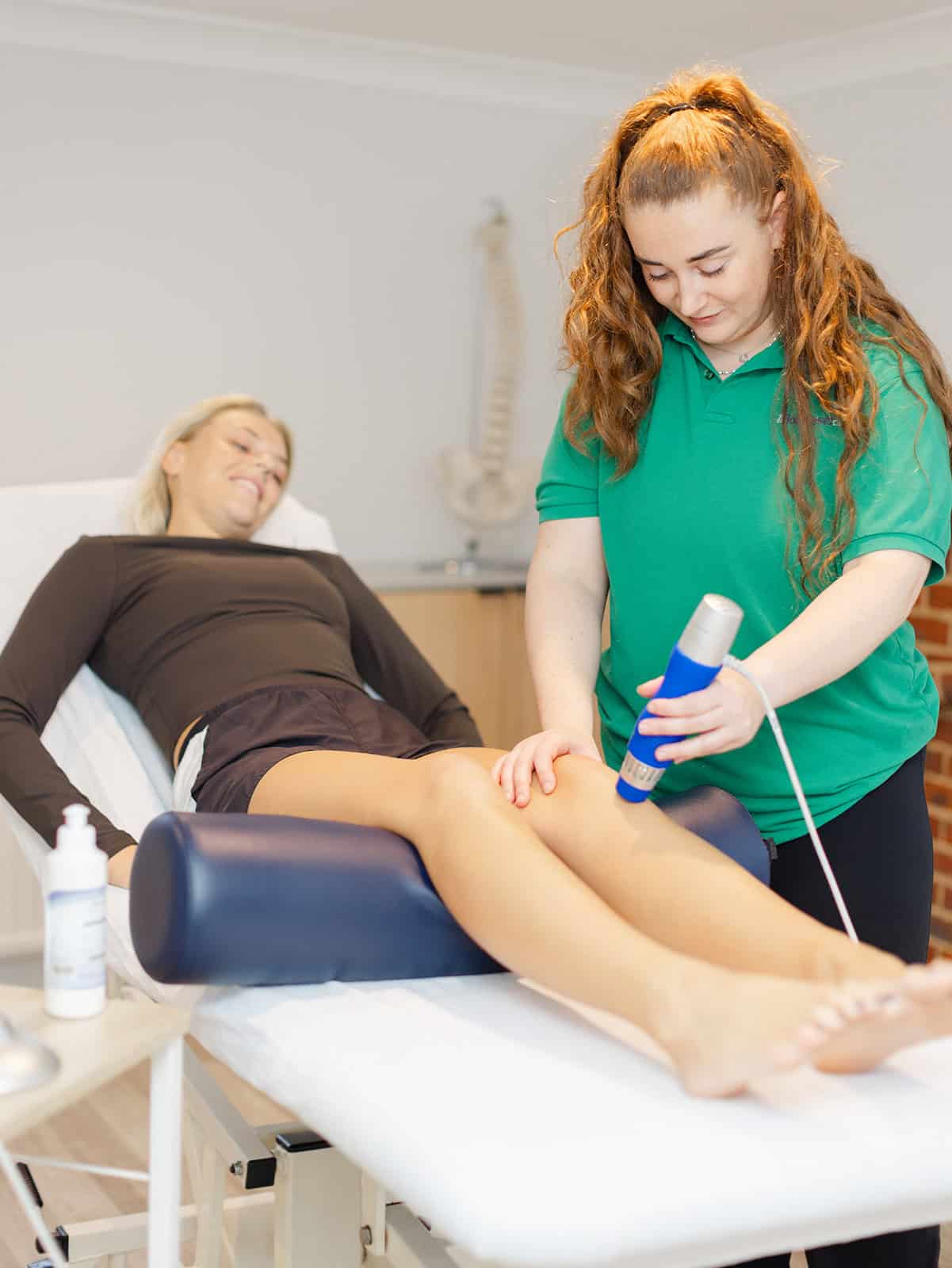
The treatment itself takes only a few minutes. Your therapist applies a small amount of gel before moving a handheld device over the injured tissue, delivering controlled pulses directly to the area. Most people describe the sensation as uncomfortable rather than painful, and the intensity can be adjusted throughout the session to keep you as comfortable as possible. Unlike injections or surgery, shockwave therapy works with your body’s own healing processes and does not require downtime afterwards.
What conditions can shockwave therapy help?
Shockwave therapy is most commonly used for persistent tendon injuries that have not responded to other treatment.
Plantar fasciitis
Pain under the heel is often worst first thing in the morning or after periods of rest. Shockwave therapy can help stimulate healing within the plantar fascia while reducing ongoing pain.
Achilles tendinopathy
Pain, stiffness or swelling around the Achilles tendon can make running, walking and climbing stairs uncomfortable. Shockwave therapy may help support recovery when symptoms have become persistent.
Tennis elbow
Pain on the outside of the elbow often develops gradually through repetitive gripping or lifting activities. Shockwave therapy can help encourage healing within the damaged tendon tissue.
Golfer’s elbow
Although common in golfers, this condition can affect anyone who performs repetitive wrist or forearm movements. Treatment focuses on reducing pain while supporting tendon repair.
Patellar tendinopathy
Sometimes called jumper’s knee, this condition commonly affects runners, gym goers and active individuals who place repeated load through the knee.
Rotator cuff and shoulder tendon pain
Persistent shoulder pain that limits reaching overhead or lifting may benefit from shockwave therapy when tendon involvement is identified during assessment.
What to expect from your appointment
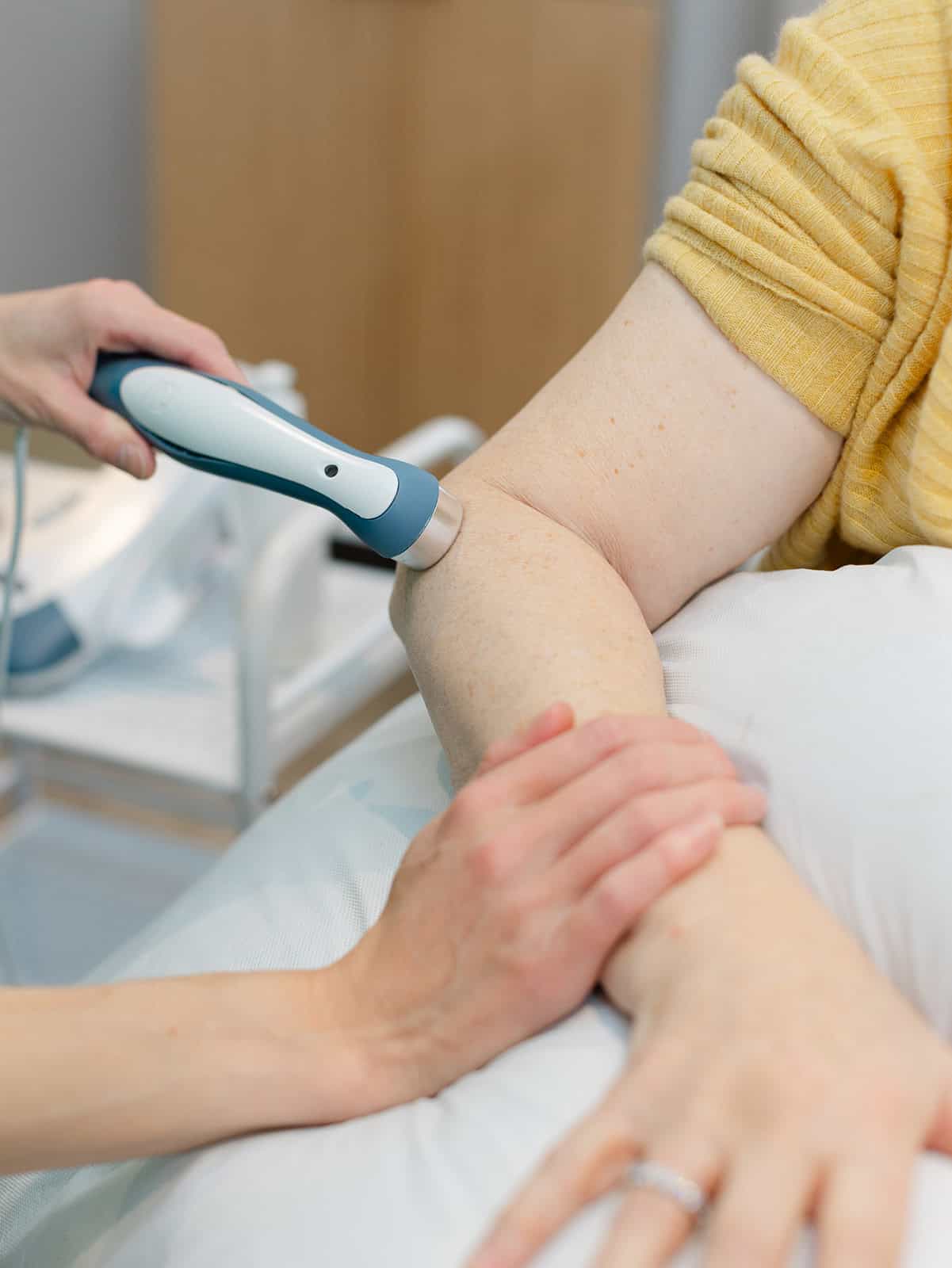
Shockwave Therapy at The Body Reset Clinic is administered using the globally recognised EMS 560 Radial Shockwave Unit, manufactured in the UK.
Your therapist will place a hand-held device onto your skin with some water-based gel on the end of the probe. The gel ensures all the shockwaves enters the tissues and isn’t lost at the probe/skin barrier. You will be able to hear the acoustic sound waves as the probe is moved slowly over the body part to be treated. Your therapist can modify the treatment and ensure you are comfortable at all times. Each session lasts up to 15 minutes.
A course of four to six treatments, one week apart, is recommended, with a 6-week review period following the last treatment. This will give the body time to adapt and allows the shockwaves to effectively treat the pain centres.
Why we combine shockwave therapy with physiotherapy
At The Body Reset Clinic, we don’t simply treat the painful area. Persistent tendon pain is often caused by a combination of movement patterns, muscle weakness, training load or previous injuries. If these factors aren’t addressed, symptoms can return even if the tendon itself improves.
That’s why every new client begins with a detailed assessment. We’ll identify what’s contributing to your symptoms, explain the findings in clear, straightforward language, and recommend whether shockwave therapy is the right choice for you. Where appropriate, we’ll combine treatment with rehabilitation exercises, movement advice and ongoing physiotherapy to help you recover fully and reduce the likelihood of the problem returning.
Our Experts
Your treatment will be provided by experienced therapists who regularly assess and treat tendon injuries using shockwave therapy as part of a personalised rehabilitation programme. Meet the team below who can do Shockwave Therapy at our clinic in Hartley Wintney, to learn more about their experience and areas of expertise.

Vicki Styles
Clinic Director
Read More

Nicola Warren-Footman
Senior Physiotherapist
Read More
Pia Barrass
Senior Physiotherapist
Read More
Adam Harrison
Senior Sports Therapist
Read More

Becs Allen-Wiles
Senior Physiotherapist
Read More
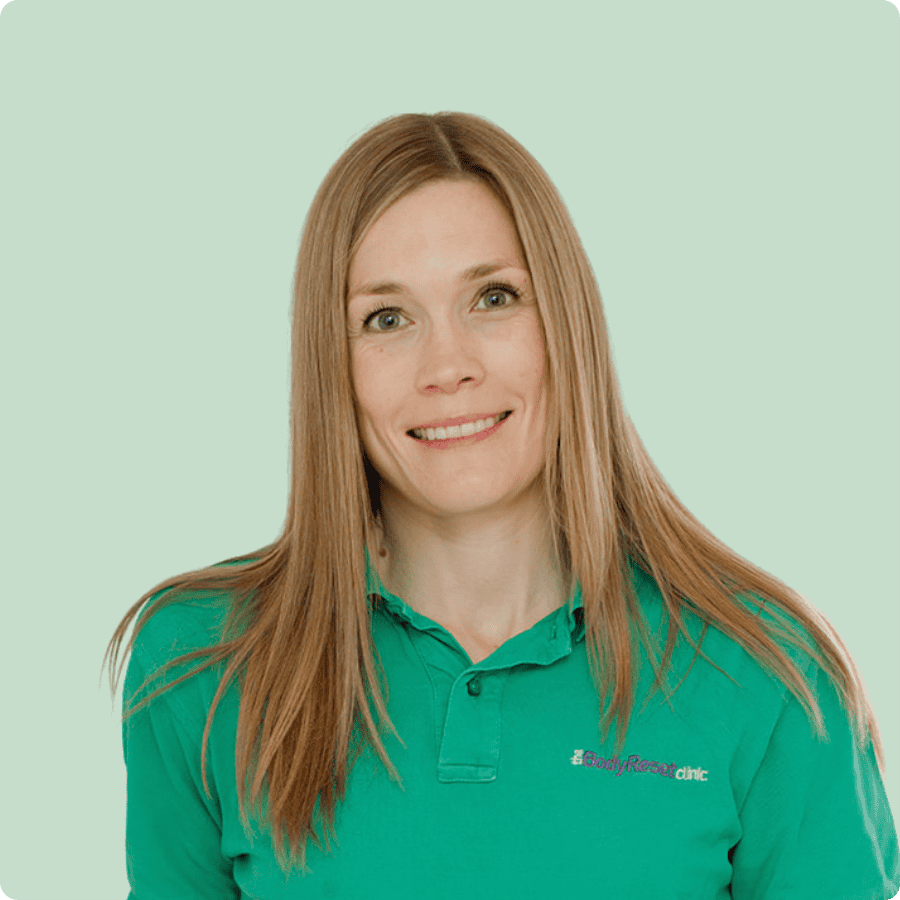
Tamsyn Jackson
Senior Physiotherapist
Read More
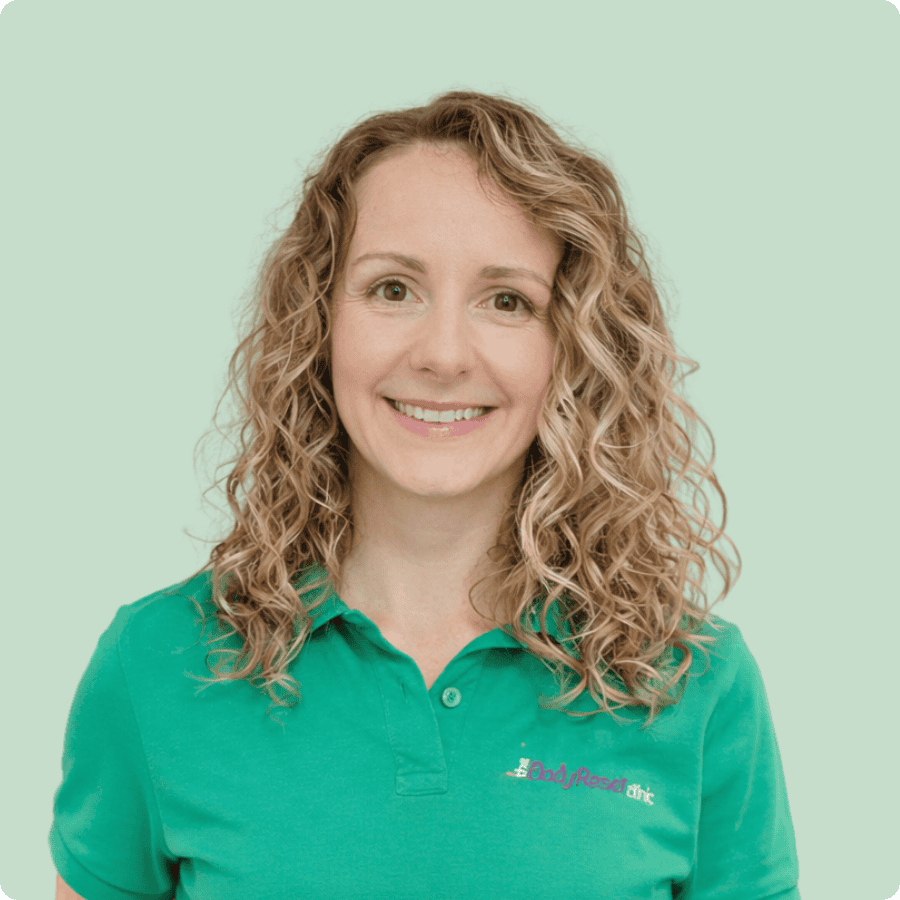
Sophie Storrow
Read More
Costs
We ask new clients with an injury or returning clients with a new injury to first book an initial assessment. This will allow your therapist to fully assess your injury before developing your treatment programme.
If you can’t find an appointment slot to suit your needs, please call our reception team on 01252 843 203
Initial assessment
15 minutes
£35
For new clients with an injury or returning clients with a new injury.
Treating one area
15 minutes
£70
Block of 3 x 15 mins sessions*
15 minutes per session
£190
Block of 6 x 15mins sessions*
15 minutes per session
£350
*Please note blocks of appointments purchased will expire 12 months after purchase.
Treating 2 areas
Follow up 1 off
30 minutes
£120
Block of 3 x 30 mins sessions*
30 minutes per session
£300
Block of 6 x 30mins sessions*
30 minutes per session
£550
*Please note blocks of appointments purchased will expire 12 months after purchase.
Home Visits
If you’re unable to travel to the clinic, we can offer Shockwave Therapy home visits so you can receive treatment in the comfort of your own home. Home visits may be particularly helpful if pain or reduced mobility makes travelling difficult. Your therapist will bring the equipment needed for your treatment and provide the same individual care and attention you would receive at our Hartley Wintney clinic.
Please contact our reception team on 01252 843 203 to discuss whether a home visit is suitable for you and availability in your area.
60 minutes at £120, 45 minutes at £115 or 30 minutes at £105
Booking details
The type of follow up appointment required will be discussed in your initial assessment appointment
If you leave up to 6 months between appointments, then we advise booking an initial assessment so we can discuss how things have changed.
If you can’t find an appointment slot to suit your needs, please call our reception team on 01252 843 203
Cancellation Policy
At The Body Reset Clinic, we operate a 24-hour cancellation policy.
If you need to cancel or reschedule an appointment, we kindly ask that you provide at least 24 hours’ notice to avoid a 50% cancellation fee.
Read More Details
Cancellations made within 4 hours of the appointment time, or failure to attend without notice (no-show), will be charged 100% of the appointment fee.
The Body Reset Clinic reserves the right to request payment in advance, particularly during busy periods, for online bookings, or where appointment demand is high.
FAQs
What is shockwave therapy?
Shockwave therapy (sometimes called Extracorporeal shockwave therapy, ESWT) is a non-surgical revolutionary evidence based treatment that works by delivering impulses of acoustic energy through the skin, to the specific injured tissue area.
How does it work?
Shockwave therapy has two main modes of action which will help with persistent tendon pain.
Firstly the shockwaves work to desensitise the nerve endings and secondly and often most importantly, the shockwaves cause controlled micro-trauma (microscopic damage) to the tissues. This encourages the body to respond with:
- Immediate reduction in pain
- Increased blood circulation and metabolism in the affected area
- Increased activation and acceleration of body’s own healing response
- Breakdown of disorganised tissue and calcification
What injuries does it treat?
There is a significant body of evidence supporting the use of shockwave therapy in many common conditions and its use for tendon issues is well supported by the National Institute for Health and Care Excellence (NICE).
These conditions include:
- Plantar Fasciitis
- Achilles Tendinopathy (insertional and mid portion)
- Patellar Tendinopathy
- Hip Bursitis
- Proximal hamstring tendinopathy
- Tennis and Golfers Elbow
- Shoulder rotator cuff Tendinopathy (calcific and non-calcific)
- Bicipital tendinitis/tendinopathy
Is it safe?
Current research has reported that no significant adverse side effects have been found.
Does it hurt?
The shockwave treatment itself is not sensation free, and there may be some mild pain, discomfort and skin irritation during treatment and up to 2 days after the treatment but this is generally a good indication that it is working! Your therapist will always ensure you are as comfortable as possible during the treatment.
Who can have the treatment?
Whilst Shockwave Therapy is suitable for a large number of conditions with minimal side effects, there are some conditions this treatment is not an option for which are:
- If you have received a Steroid injection within 6 weeks
- If you are pregnant
- If tumours are present at the treatment site
- If you have a blood clotting disorder (including thrombosis/active DVT)
- If you are taking oral anti-coagulants
- If you have a pacemaker fitted
- If you have impaired cognition or communication
- If you have an infection or skin abrasion at the treatment site
- Any treatment over an air-filled area such as the lungs or guts
How long is my appointment?
Each session lasts up to 15 minutes.
Can I have shockwave treatment without an assessment?
To make sure Shockwave Therapy is right for you, we will always need to carry out an assessment first, especially if you are new to the clinic, coming in with a different issue, or haven’t seen us in over 6 months.
If you are already having treatment with us, your therapist can decide whether shockwave is suitable as part of your ongoing care. It is important we understand your condition properly so we can deliver the safest and most effective treatment for you.