
Semi Custom Foot Orthotics
Many people live with recurring heel pain, aching feet or injuries that seem to keep coming back without realising that their feet may be contributing to the problem.
Whether you’re a runner struggling with recurring Achilles pain, someone who spends long hours on their feet at work, or you’ve noticed ongoing discomfort in your knees, hips or lower back, improving the way your feet move can sometimes make a significant difference.
At The Body Reset Clinic, every orthotic prescription begins with a detailed assessment of your movement, posture and lifestyle. If semi custom foot orthotics are appropriate for you, we’ll carefully select and adjust them to provide personalised support that’s designed around how you move.
What are Semi Custom Foot Orthotics?
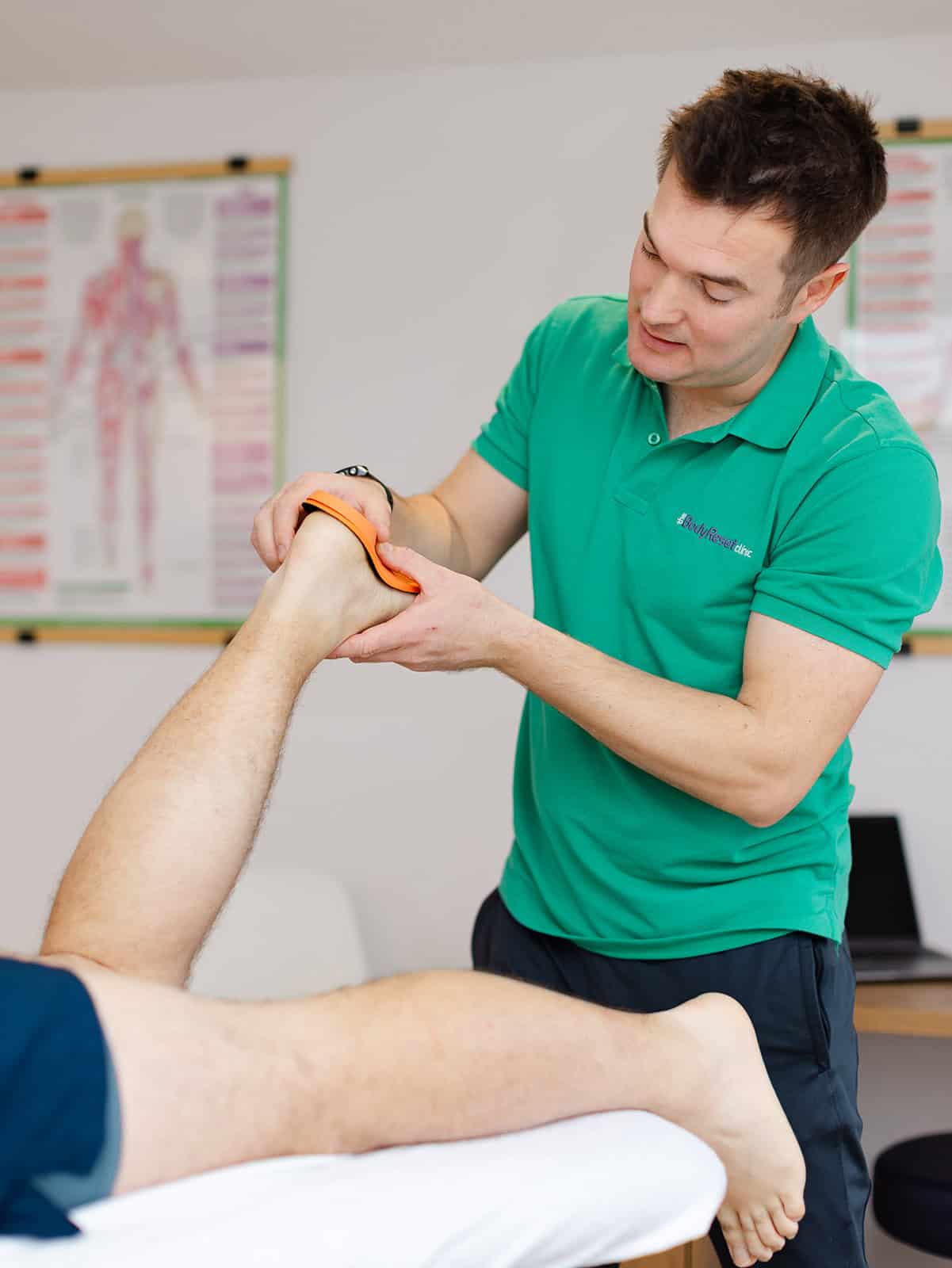
Semi custom foot orthotics are supportive shoe inserts that are selected and modified to suit your individual foot shape, biomechanics and activity levels.
Unlike standard insoles bought from a shop, they are prescribed following a detailed assessment of how your body moves. This allows us to choose the level of support that’s appropriate for your needs while avoiding the cost and manufacturing time associated with fully custom orthotics.
Rather than forcing your feet into a particular position, semi custom orthotics are designed to support natural movement by improving how forces are distributed through the foot during standing, walking and running. When combined with the right rehabilitation programme, they can help reduce unnecessary strain on painful tissues while improving comfort and confidence during everyday activities.
Could your feet be contributing to your pain?
Many people are surprised to learn that problems higher up the body can sometimes begin with the feet.
You may have noticed:
- Heel pain when you first get out of bed
- Feet that ache after standing all day
- Recurring Achilles pain when running
- Knee pain that keeps returning
- Shin splints during training
- Lower back discomfort when walking longer distances
These symptoms don’t always mean your feet are the cause, but they can sometimes be part of the picture.
Your feet provide the foundation for every step you take. Small changes in the way they move can influence how your ankles, knees, hips and lower back work together. When movement becomes less efficient, certain muscles, tendons and joints may have to work harder than they should.
Understanding what’s happening is often the first step towards improving comfort and getting back to doing the things you enjoy.
How do orthotics work?
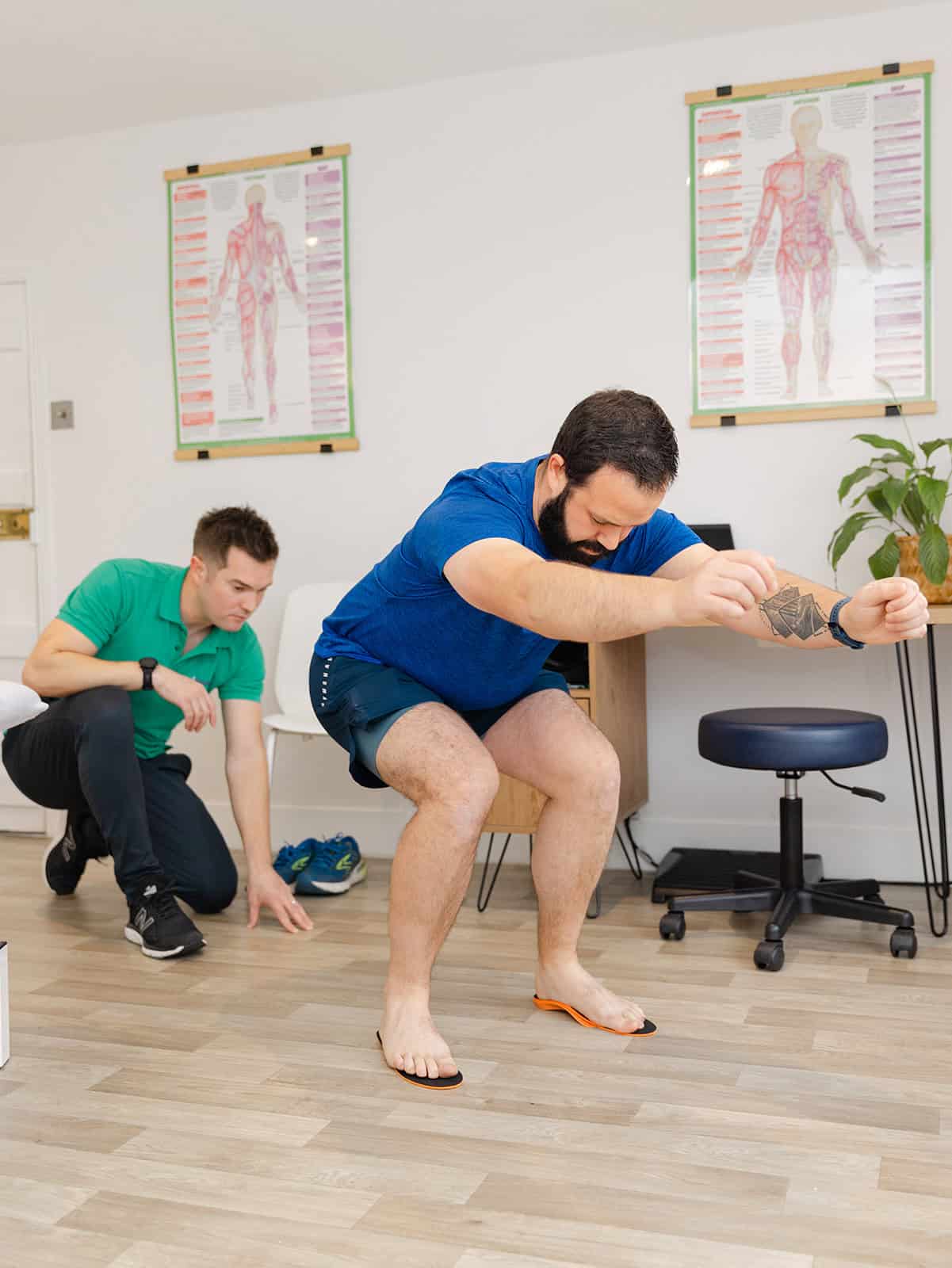
Every step places force through your feet, ankles, knees and hips.
If your foot mechanics aren’t working as efficiently as they could, some tissues may become overloaded over time.
Semi custom foot orthotics work by helping to:
- Support the natural arches of your feet
- Improve foot alignment during walking and running
- Redistribute pressure more evenly across the foot
- Improve shock absorption
- Reduce excessive movement that may contribute to pain
- Support healthier movement throughout the lower limb
Orthotics work best as part of a wider treatment plan and are often combined with exercises, hands-on treatment and advice to help address the underlying cause of your symptoms.
Conditions that may benefit from orthotics
Following a thorough assessment, semi custom foot orthotics may form part of your treatment for:
Plantar Fasciitis
By reducing strain through the plantar fascia and improving how load is distributed across the foot, orthotics can help support recovery from persistent heel pain.
Achilles Tendinopathy
Improving foot mechanics may reduce unnecessary stress on the Achilles tendon during walking and running.
Flat Feet
Additional arch support can improve comfort, reduce fatigue and support better lower limb alignment.
High Arches
For people with higher arches, orthotics may improve shock absorption and reduce pressure through the foot.
Tibialis Posterior Tendinopathy
Supporting the inside of the foot may reduce the workload placed on the tibialis posterior tendon.
Patellofemoral Knee Pain
Improving foot alignment can sometimes reduce excessive forces acting around the kneecap.
Shin Splints
Orthotics may help reduce loading through the lower leg during walking and running.
Metatarsalgia
Redistributing pressure beneath the forefoot may improve comfort beneath the ball of the foot.
Foot and Ankle Osteoarthritis
Supportive orthotics can sometimes improve comfort during everyday activities by reducing stress on affected joints.
Running Related Injuries
For runners, orthotics are often combined with gait analysis, strengthening exercises and training advice to help reduce the likelihood of recurring injuries.
What happens during your appointment?
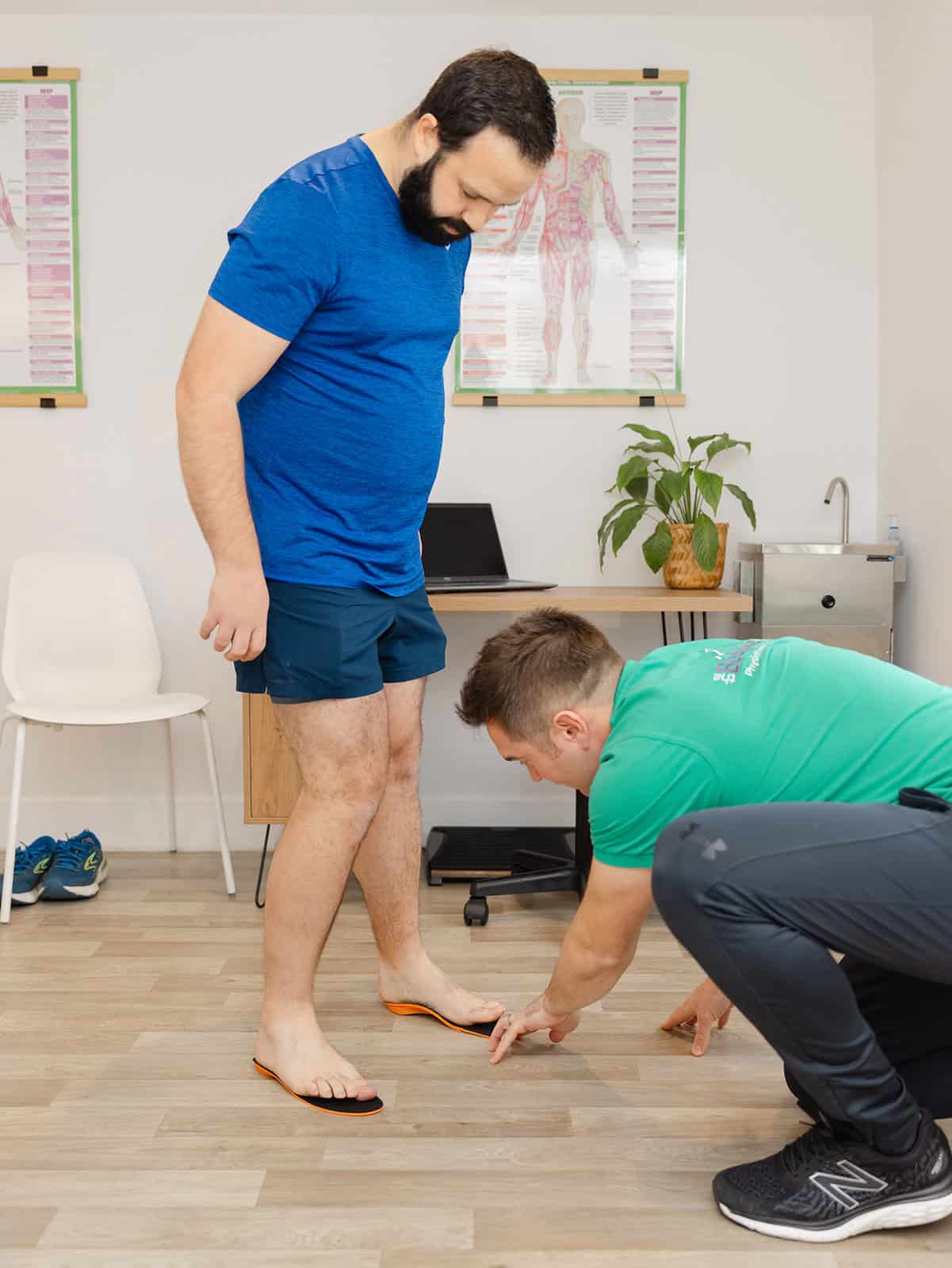
Every orthotics prescription begins with understanding you, your symptoms and how you move.
- Your assessment
We’ll begin with a detailed assessment that may include:
- Your medical and injury history
- Your posture
- Joint mobility
- Muscle strength
- Walking assessment
- Running assessment, where appropriate
- Footwear assessment
- Functional movement testing
This allows us to understand whether your foot mechanics may be contributing to your symptoms.
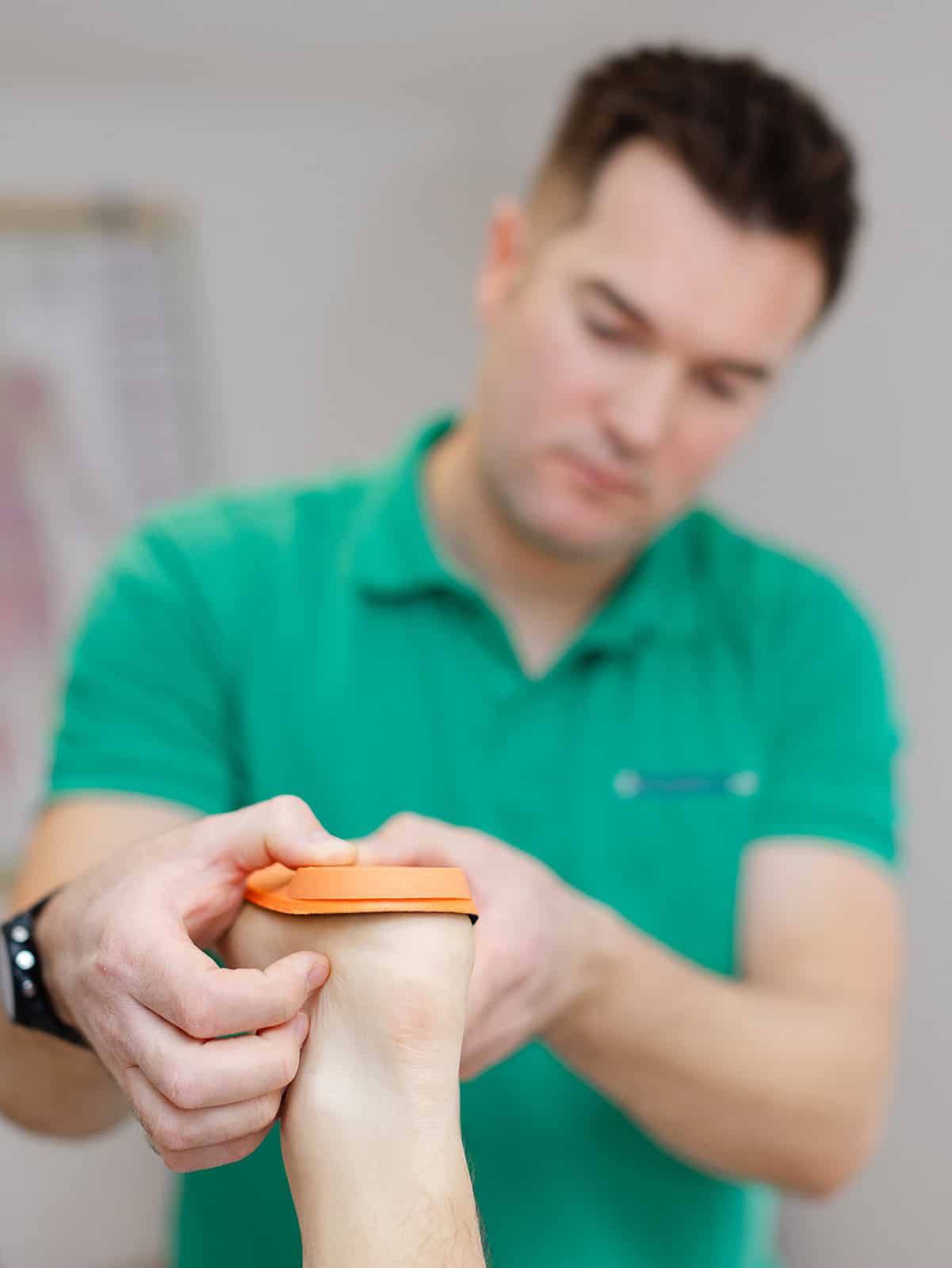
- Fitting your orthotics
If semi custom orthotics are appropriate, we’ll carefully select and modify them to suit your feet and your footwear.
We’ll ensure they fit comfortably, explain how to gradually build up wear time and answer any questions before you leave.
- Follow up
As your symptoms improve or your activity changes, your orthotics can often be adjusted in clinic. We’ll review your progress and make any modifications needed to help you continue moving comfortably.
Are orthotics right for everyone?
No. Not everybody with foot, ankle or lower limb pain needs orthotics.
Sometimes improving strength, mobility or movement patterns is the most appropriate approach.
Research suggests orthotics are often most effective when combined with exercise, education and hands-on treatment rather than being used in isolation.
If we believe orthotics are likely to help, we’ll explain why. If another treatment is more appropriate, we’ll recommend that instead.
Our aim is always to recommend what’s best for you, not simply prescribe orthotics

Why choose The Body Reset Clinic?
Choosing the right orthotics starts with choosing the right assessment.
At The Body Reset Clinic, every orthotic prescription is based on a detailed understanding of how your whole body moves, not just your feet.
Our therapists take the time to understand your goals, explain what they find and create a treatment plan that’s tailored to your individual needs.
Because our orthotics can be adjusted in clinic, they can continue to evolve alongside your rehabilitation and activity levels.
Whether your goal is returning to running, standing comfortably at work or simply enjoying everyday life with less discomfort, we’re here to support you every step of the way.
Our Experts

Adam Harrison
Senior Sports Therapist
Read More
FAQs
What are semi custom foot orthotics?
Semi custom foot orthotics are supportive shoe inserts that are selected and adjusted to suit your foot shape, movement patterns, footwear and activity levels.
Unlike standard insoles bought from a shop, they are recommended following a detailed assessment of how you stand, walk and, where appropriate, run. This allows your therapist to choose the type and level of support most suited to your individual needs.
They can provide a more personalised option than off the shelf insoles, without the cost and manufacturing time usually associated with fully custom devices.
What is the difference between custom and semi custom orthotics?
Fully custom orthotics are manufactured specifically for an individual, usually using a cast, scan or mould of the feet. This process normally involves laboratory manufacture and can take several weeks.
Semi custom orthotics are available in a range of carefully designed shapes and levels of support. Your therapist selects the most suitable option following your assessment, then modifies it where needed to improve the fit and support it provides.
Semi custom orthotics can offer many of the benefits associated with fully custom devices, while usually being more affordable and available without a lengthy manufacturing period.
How do I know whether I need orthotics?
During your assessment, your therapist will consider your symptoms, foot posture, joint movement, muscle strength, walking or running mechanics, footwear and activity levels. This helps determine whether your feet may be contributing to your discomfort and whether orthotics are likely to be helpful.
If exercises, rehabilitation or another form of treatment would be more appropriate, we will explain this and recommend the approach we believe is most suitable for you.
Can orthotics help with plantar fasciitis?
They are usually most effective when combined with other appropriate treatment, which may include strengthening exercises, mobility work, footwear advice and changes to activity levels.
Your therapist will assess the possible causes of your heel pain before deciding whether orthotics should form part of your treatment plan.
Can orthotics help with knee pain?
Where foot mechanics are contributing to knee pain, orthotics may help improve lower limb alignment and reduce unnecessary loading around the knee. This can be particularly relevant for some people with recurring kneecap pain during walking, running or exercise.
However, knee pain can have several causes, so a full assessment is important before orthotics are recommended.
Are orthotics suitable for runners?
They may be considered for concerns such as Achilles tendinopathy, shin splints, plantar fasciitis, knee pain or discomfort through the foot and ankle. Orthotics are not usually used in isolation and may be combined with strength exercises, gait retraining, footwear advice and sensible changes to training load.
Where possible, your assessment will consider the way you run as well as the demands of your usual training.
Will orthotics fit in all of my shoes?
We recommend bringing the shoes you wear most often to your appointment. This allows your therapist to check the fit and advise you on which footwear is likely to work best with your orthotics.
You may be able to move your orthotics between similar pairs of shoes, although the fit should be checked carefully.
Do orthotics weaken the feet?
Where suitable, we may combine orthotics with exercises that improve foot, ankle and lower limb strength. This means the orthotics support your movement while your rehabilitation programme addresses other factors that may be contributing to your symptoms.
The aim is to provide the right level of support for your individual needs, rather than encouraging unnecessary dependence.
Will I need to wear orthotics forever?
Some people continue to use orthotics because they feel more comfortable and supported when wearing them. Others may reduce how often they use them as their strength, movement and symptoms improve.
Your needs can also change over time. We will review your progress and provide guidance based on your condition, activities and longer term goals.
Can semi custom orthotics be adjusted?
Adjustments may be made to improve comfort, alter the level of support or respond to changes in your symptoms and activity levels. Your therapist will explain when a review may be useful and what to do if the orthotics do not feel comfortable.